

Ages 4 to 5
One small step
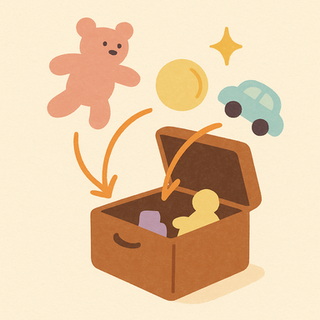
 Put toys away
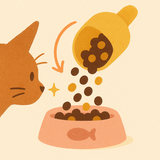 Feed a pet
 Put dirty clothes in the basket
 Wipe up small spills
 Put napkins on the table
A single clear action is often a useful starting point at this age. Show them where things go and work alongside them, especially when feeding pets.
Ages 6 to 7
A short sequence
 Make their bed
 Set the table
 Help sort laundry
 Put books away
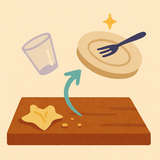 Clear the table
Some children are ready to try a short sequence, such as carrying dishes over and placing them at each seat. A picture checklist may help; leave sharp or hot items to an adult.
Ages 8 to 9
Practise a whole job
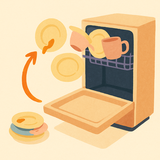 Load or unload the dishwasher
 Water the plants
 Take out the recycling
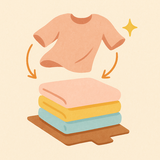 Fold and put away clean towels
 Sweep the floor
A small job from start to finish may suit children who have practised parts of it before. Agree what finished looks like and check together afterwards; an adult handles sharp items.
Ages 10 to 12
Build on familiar skills
 Walk the dog
 Cook a simple meal
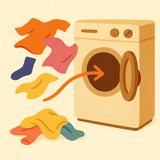 Run a load of laundry
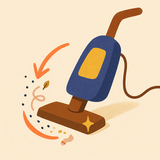 Vacuum the floor
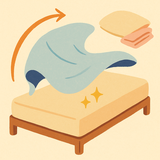 Change their bedsheets
Try agreeing a finishing time together for familiar chores. Keep adult supervision where needed, especially for dog walks and cooking.
How many chores a day
Try one small daily chore first. For an older child who already helps regularly, two may be manageable. Judge by the time and effort involved, rather than the number alone.
Leave space for play and rest. Add another job only when the current amount feels manageable for both of you.
Making it stick
Keep the list visible and try linking each chore to a familiar moment, such as after breakfast.
After a week, ask what felt easy and what needed help. Choose one adjustment together. You might move a chore to another time or practise a tricky step again.
Chorios has more than 200 ready-made chores, with starter sets for ages 4 to 6, 7 to 10 and 11 and up. You can use these as a starting point and choose the chores that fit your child. See how it works

Chorios is free.
Every chore and every child, for as long as you like.